


CAN MODELLING USING ARTIFICIAL INTELLIGENCE PREDICT TICK DISTRIBUTION?
Over the previous decades, scientific experts have observed that ticks are becoming more active and that their geographical range is expanding in Europe. To combat the risk of tick-borne diseases, we need new strategies — such as year-round protection — to safeguard pet health. But could mathematical modelling using artificial intelligence tell us future tick distribution, so that we may be ready for them?
How good is AI modelling at predicting tick distribution?
One of the best explanations for increased tick activity and geographical range is the phenomenon of rising temperatures, which has led to milder winters and a more suitable habitat for ticks. Therefore, many attempted to model and predict the presence of ticks on the European continent using various sophisticated mathematical models.
Researchers from various European research institutions attempted to use modelling approaches to assess the ability of different climate niches to explain the known distribution of I. ricinus and D. reticulatus in Europe*. The study concluded that climate is not the only factor deciding tick distribution. Other factors than climate itself, such as habitat type, host availability and anthropogenic impacts, could contribute to determining tick presence or absence at the local or regional scale.

Another study attempted to project the habitat suitability for the three tick species under current and future climatic conditions based on the ecological niche modelling approach**. According to the modelling results, three tick species Ixodes ricinus, Dermacentor reticulatus, and D. marginatus, will benefit from the projected climate changes in Europe.
The modelling shows that the habitat suitability for Ixodes ricinus, Dermacentor reticulatus, and Dermacentor marginatus tends to increase in Europe under future climatic conditions, with projected area expansions towards Eastern Europe.
We need to be ready for ticks and tick-borne diseases.
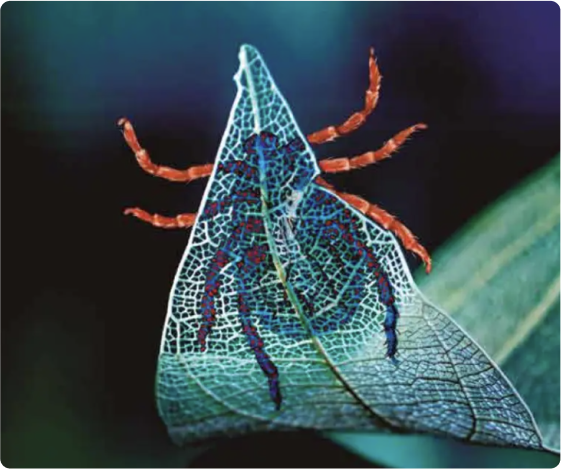
A LEADING LINE OF DEFENCE AGAINST FLEAS AND TICKS
No matter how you choose to treat your patients, BRAVECTO® delivers long-lasting, systemic flea and tick protection, for effective & confident control.
Dog

YEAR-LONG* Injectable



With just one dose, you can deliver continuous, uninterrupted flea and tick protection for one full year.1,12,13 *

12-WEEK Chew



Fast, easy, lasting protection. An oral dose offering up to 12-week flea and tick protection in a single chew dogs love.1
Cat

12-WEEK SPOT-ON WITH BROAD-SPECTRUM
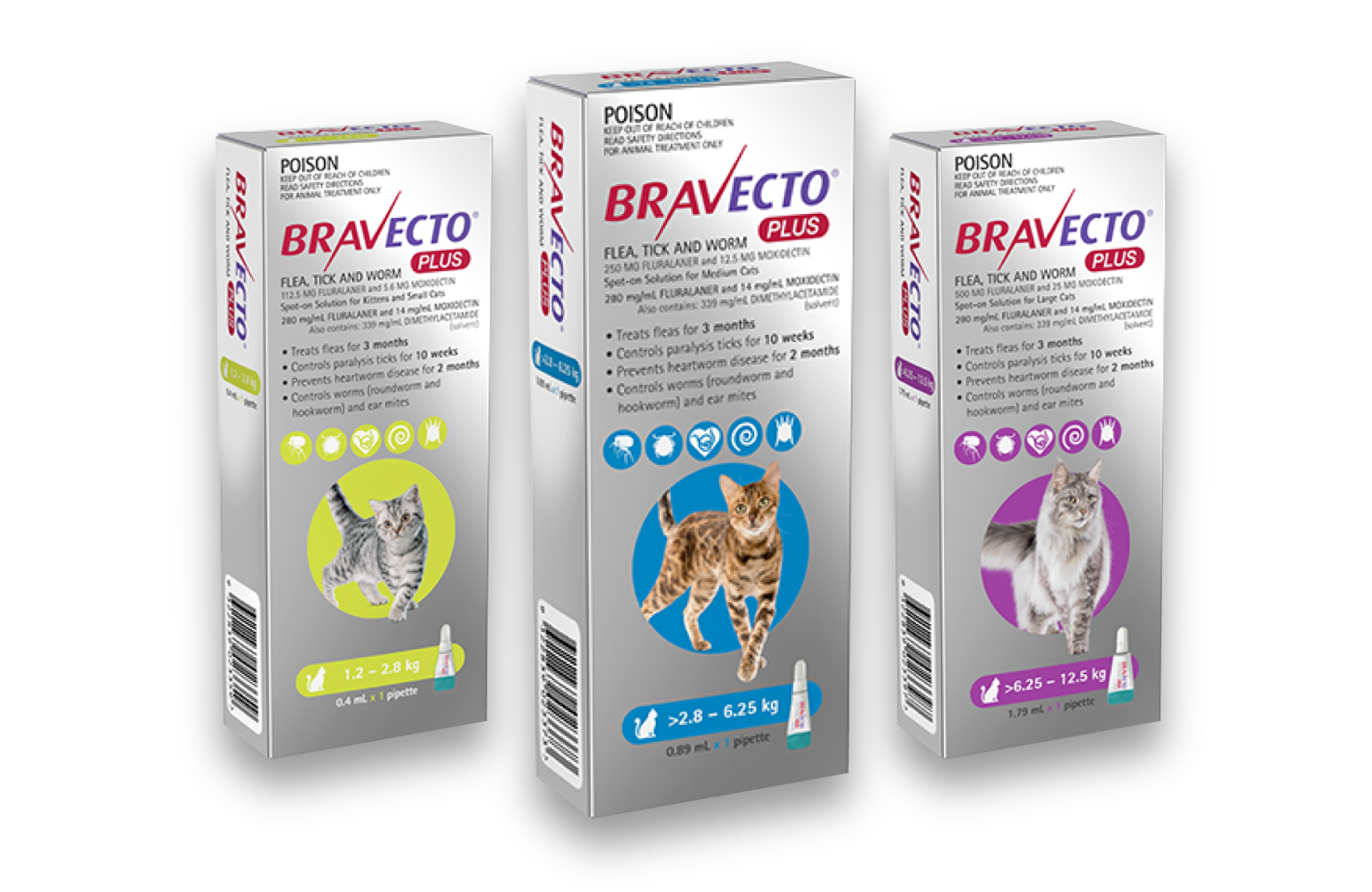





A broad range of parasite protection for cats in one convenient and lasting dose applied on the skin.10